

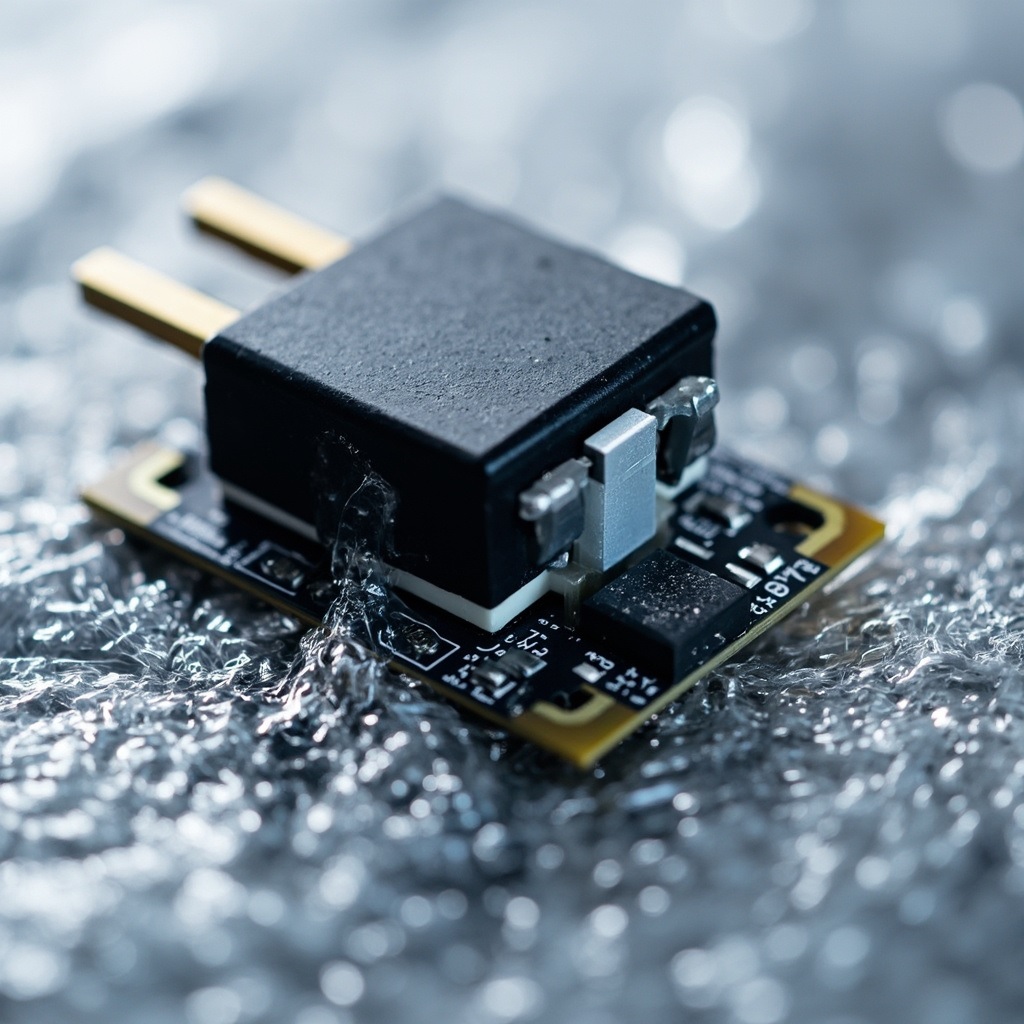
If you think a micro switch is just a tiny button, you haven’t been paying attention to what happens inside a modern car. The moment you press a window switch, adjust your side mirror, or pop the trunk, a micro switch is doing the heavy lifting. But here’s the catch: automotive electronics live in a hostile world. Heat, vibration, road salt, and moisture are the norm. And moisture is the silent killer. That is exactly why the IP67 rating is not a luxury feature. It is a survival requirement.
Let’s get one thing straight. A standard micro switch might work fine in a controlled indoor environment. But inside a car door panel, that switch is exposed to rain that seeps past seals, condensation that forms overnight, and even the occasional car wash spray. Without a proper waterproof seal, corrosion sets in within months. The switch fails. The window stops working. The customer gets angry. And the repair costs stack up. That is the reality of cheap components.
IP67 means the switch is dust-tight and can be submerged in one meter of water for thirty minutes without damage. That is not just a marketing badge. It is a technical guarantee. For automotive applications, this rating ensures that the switch survives not only accidental splashes but also the pressure washing routines that many car owners use. It also means the switch can handle the humidity cycles inside a sealed door cavity, where temperature swings create condensation like a rainforest.
Unionwell has been engineering waterproof micro switch specifically for automotive electronics for years. The design philosophy is straightforward: eliminate any path for water ingress. That starts with the housing material. Standard plastics can warp or develop micro-cracks under thermal stress. Unionwell uses high-temperature resistant thermoplastics that maintain their seal integrity even when the interior of a car door hits seventy degrees Celsius on a summer day. The actuator is sealed with a silicone rubber boot that flexes millions of times without tearing. The terminal area is potted with epoxy, not just crimped and hoped for the best.
Why is this non-negotiable? Because automotive electronics are moving toward higher integration. A single electronic control unit now manages multiple functions. If a micro switch fails and shorts out, it can take down an entire module. That means a fifty-cent component can cause a five-hundred-dollar repair. And in the age of electric vehicles, where low-voltage systems are everywhere, waterproofing is even more critical. A short circuit in a traditional car might blow a fuse. In an EV, it can disrupt battery management systems or safety-critical circuits.
The market is also shifting. Consumers expect their cars to be reliable for ten, fifteen, even twenty years. They do not accept that a window switch should fail after three years. Automakers know this. That is why they are tightening their component specifications. IP67 is no longer a premium option. It is becoming the baseline for any switch that lives in a wet zone of the vehicle. Doors, tailgates, sunroofs, and even steering column controls are all subject to moisture ingress over time.
So when you are sourcing micro switches for automotive electronics, do not compromise on the IP67 rating. It is not about checking a box on a datasheet. It is about ensuring that the switch you install today will still be working when the car is a decade old. Unionwell delivers that reliability because they build the seal into the design from the ground up, not as an afterthought. In automotive electronics, water is the enemy. IP67 is the only peace treaty worth signing.