

A well-organized battle belt can improve comfort, efficiency, and emergency response speed during demanding situations. Proper first aid storage allows users to access medical supplies quickly while keeping gear balanced and easy to manage. With smart placement and thoughtful organization, a battle belt can support both mobility and preparedness without feeling overloaded.
Choose a Compact Medical Pouch
Selecting a compact pouch helps reduce bulk and keeps movement unrestricted. A slim design fits naturally on a battle belt while still holding essential medical supplies.
Important benefits include:
- Better weight distribution
- Faster access during emergencies
- Improved comfort during long use
- Reduced interference with other gear
- Easier organization of supplies
A compact setup encourages users to carry only practical and necessary items, preventing clutter and confusion.
Organize Supplies by Priority
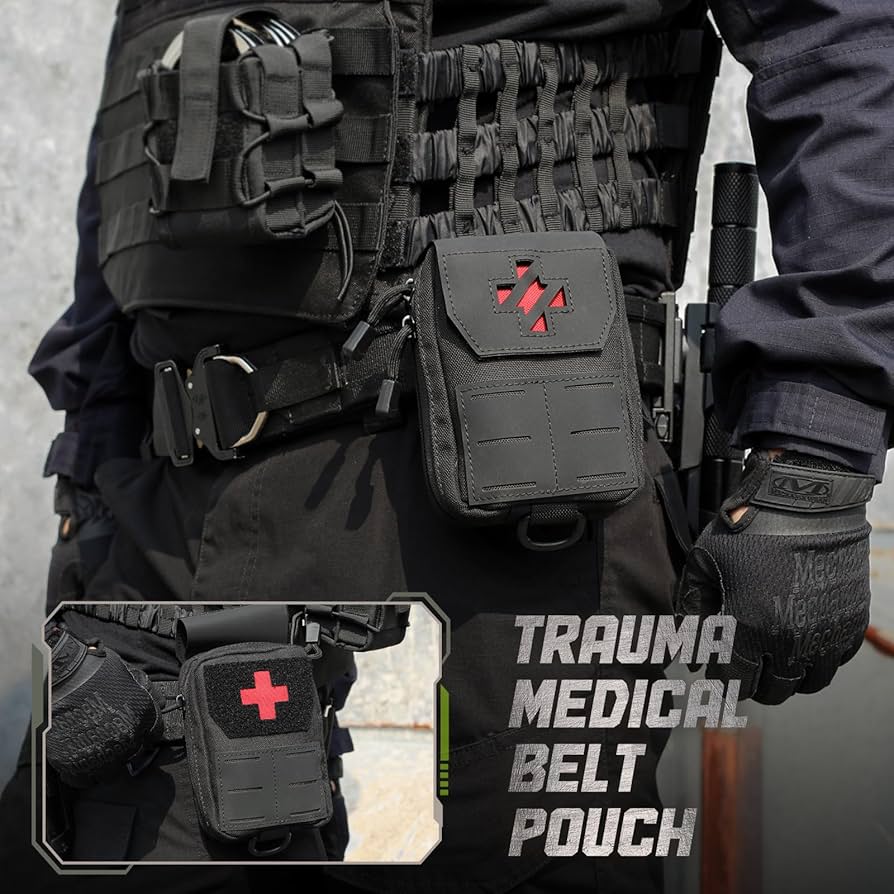
Arranging supplies by importance makes emergency care more efficient. Frequently used items should remain easy to reach without digging through the pouch.
Helpful organization ideas include:
- Place trauma items near the front
- Store gloves in an outer compartment
- Keep bandages grouped together
- Separate tools using elastic loops
- Use small pouches for different categories
Clear organization minimizes wasted movement and allows quicker reactions under pressure.
Use External Attachment Points
External attachment features create extra storage battle belt ifak flexibility without increasing unnecessary bulk. Secure mounting systems also help keep supplies stable during movement.
Useful storage additions may include:
- Elastic retention cords
- Hook-and-loop panels
- Modular attachment straps
- Quick-pull handles
- Compact utility sleeves
These features allow battle belt users to customize their layout according to their personal needs and operating style.
Prioritize Fast One-Handed Access
Medical gear should remain accessible with either hand. A good layout supports quick deployment even when mobility is limited.
Practical positioning tips include:
- Place the pouch near the rear side of the belt
- Avoid blocking access with larger gear
- Test reach ability while standing and kneeling
- Ensure zippers open smoothly
- Use pull tabs for easier handling
Quick access can improve efficiency and reduce delays during critical moments.
Keep Supplies Secure and Protected
First aid equipment should stay protected from dust, moisture, and rough handling. Durable storage solutions help maintain reliability and extend the lifespan of medical items.
Protective storage methods include:
- Water-resistant pouch materials
- Reinforced stitching
- Secure zipper closures
- Internal retention straps
- Protective inner sleeves
Reliable protection ensures supplies remain clean, organized, and ready when needed.
Maintain a Balanced Belt Layout
A balanced battle belt feels more comfortable and supports better movement. Uneven weight distribution can cause discomfort and reduce overall performance.
For improved balance:
- Spread gear evenly around the belt
- Avoid placing all heavy items on one side
- Keep medical gear lightweight
- Adjust placement during practice sessions
- Remove unnecessary items regularly
A lighter and balanced setup helps reduce fatigue during extended wear.
Perform Regular Gear Checks
Routine inspections help ensure all medical supplies remain organized and functional. Regular maintenance also prevents missing or expired items from going unnoticed.
Simple inspection habits include:
- Replace used supplies immediately
- Check pouch attachment points
- Inspect elastic retention areas
- Confirm smooth zipper operation
- Reorganize after training sessions
Consistent maintenance keeps the entire setup dependable and efficient.
Tactical first aid storage ideas can greatly improve the functionality of a battle belt setup. Compact organization, quick accessibility, secure storage, and balanced gear placement all contribute to a more reliable system. With thoughtful preparation and regular maintenance, battle belt users can create an efficient first aid arrangement that supports readiness, comfort, and confidence in demanding situation.